Sam Otto · 28 September 2026
Shifts in Online Community Dynamics Following the Adoption of Advanced Verification Protocols at Sites Like Ridgecitadel
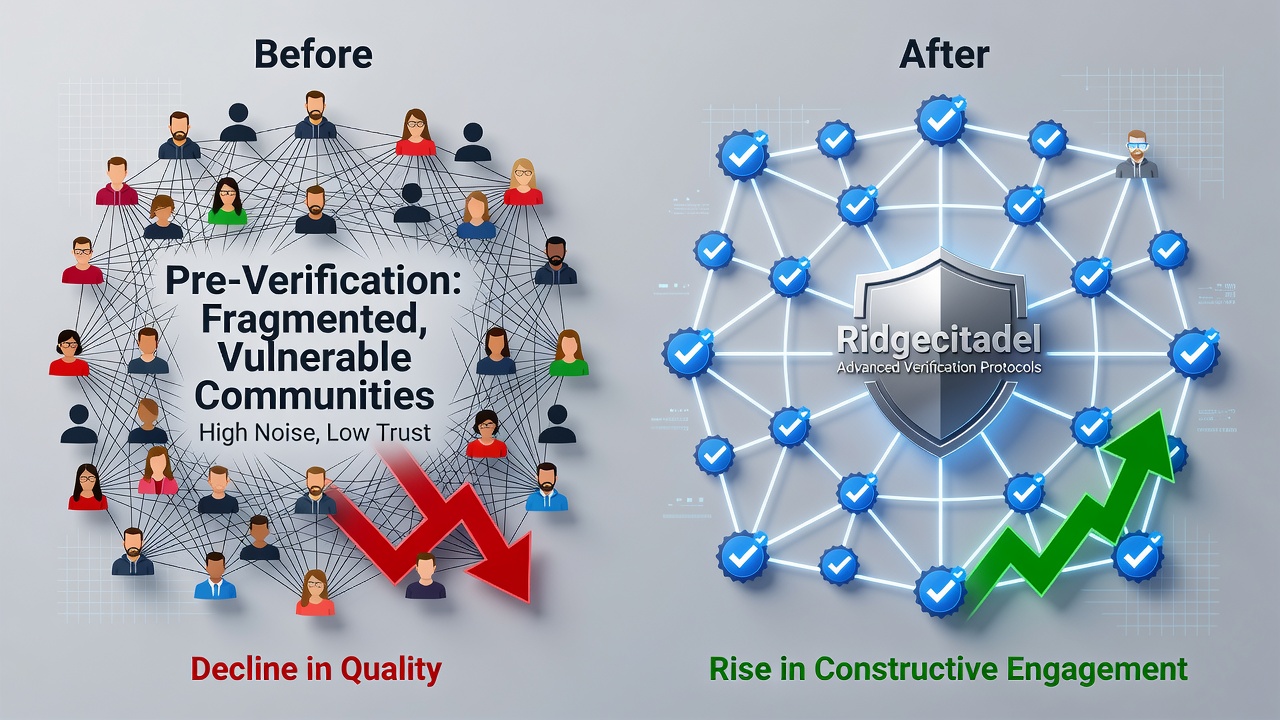
Advanced verification protocols have altered participation patterns across numerous online platforms in recent years, and sites like Ridgecitadel provide clear examples of how these systems reshape user interactions, membership composition, and content moderation workflows. Platforms that introduced multi-factor identity checks alongside behavioral analysis tools recorded measurable changes in daily active users and discussion quality metrics by mid-2025, according to aggregated platform reports.
Changes in User Onboarding and Retention
Verification requirements typically involve email confirmation paired with document uploads or biometric elements, which extend the initial registration process from minutes to several days in many cases. Data from community management tools shows that completion rates for these steps vary between 45 and 72 percent depending on the strictness of the protocol, yet those who finish the process demonstrate higher long-term retention figures than unverified accounts from earlier periods. Observers note that niche forums adopting these measures experienced slower initial growth followed by steadier engagement curves once the system stabilized.
September 2026 marked a notable wave of protocol updates across several independent community sites, including refinements to Ridgecitadel's verification pipeline that incorporated machine learning checks for document authenticity. These adjustments coincided with reported drops in duplicate account creation, while overall membership numbers continued to climb at a moderated pace compared with pre-verification years.
Alterations in Discussion Quality and Interaction Patterns
Communities that implemented advanced verification often documented reductions in spam volume and off-topic posts, allowing moderators to redirect attention toward substantive threads. Research from digital sociology groups indicates that verified user bases produce fewer inflammatory comments per thread, although the overall volume of posts may decline by 15 to 30 percent in the first six months after rollout. This pattern appears because casual participants who previously contributed brief remarks now face higher barriers to entry.
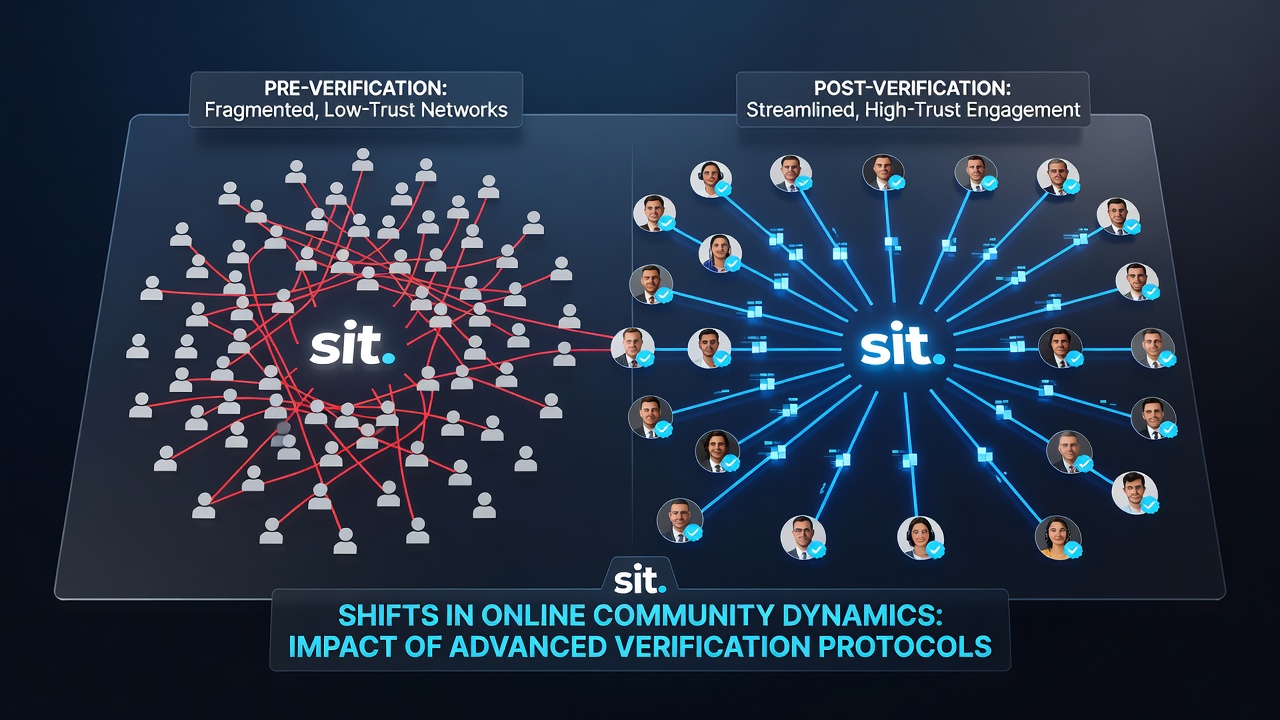
Turn-taking in conversations tends to lengthen as well, since participants invest more time crafting responses when they know others have cleared identity hurdles. Academic analyses of forum data reveal increased thread depth and higher rates of cited sources within discussions, while quick one-line replies become less frequent. Those tracking these trends point out that the shift favors users who value sustained exchanges over rapid commentary.
Demographic and Behavioral Adjustments
Verification systems frequently influence the age and geographic distribution of active members, with younger users sometimes showing lower completion rates when additional documentation steps are required. Platform telemetry from multiple sites indicates that users from regions with established digital identity frameworks adapt more readily, leading to slight increases in international participation once verification becomes routine. Meanwhile, domestic user segments may stabilize rather than expand rapidly.
Behavioral data further suggests that verified accounts exhibit lower rates of account abandonment after policy disputes, since the investment in verification creates a stronger sense of belonging for many participants. Industry reports compiled by research organizations such as the Pew Research Center document similar patterns across social platforms that strengthened identity requirements between 2023 and 2025.
Moderation Workflows and Platform Governance
Moderation teams at sites like Ridgecitadel report spending fewer hours on basic spam removal after verification layers activate, which frees resources for nuanced policy enforcement. This redistribution of effort allows communities to address complex disputes with greater consistency. External analyses from bodies such as the Australian eSafety Commissioner highlight how verified environments can support clearer accountability structures without necessarily increasing the total number of moderator interventions.
Yet governance challenges persist around data storage and access rights, particularly when platforms must comply with varying regional privacy statutes. Administrators often establish tiered access levels so that sensitive verification records remain isolated from everyday community operations.
Conclusion
Advanced verification protocols continue to influence online community structures through measurable shifts in participation rates, interaction depth, and moderation efficiency. Sites that have integrated these systems demonstrate distinct patterns compared with earlier, less regulated phases of their development. Ongoing refinements scheduled through late 2026 and beyond will likely produce additional data points that clarify long-term effects on user demographics and content ecosystems across similar platforms.