Sam Otto · 12 October 2026
Exploring Algorithmic Content Prioritization Effects on Engagement Levels Within Niche Digital Platforms
Defining Algorithmic Prioritization in Specialized Online Spaces
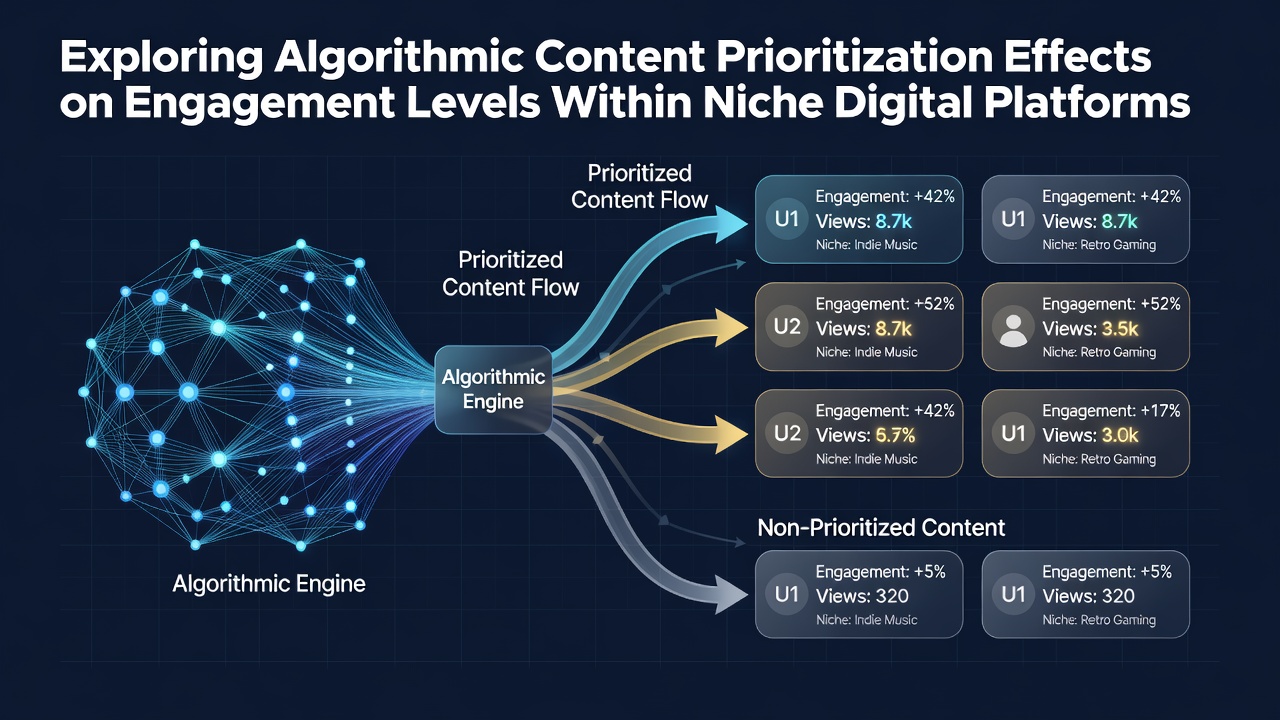
Algorithmic content prioritization operates through ranking systems that sort posts, videos, and discussions based on signals such as user interaction history, session duration, and community feedback patterns while niche digital platforms rely on these mechanisms to surface material that matches narrow audience interests; researchers have documented how these systems evaluate factors including recency, relevance scores, and predicted dwell time before deciding what appears in feeds or discovery sections. Data from platform analytics shows that prioritization often favors content with higher initial velocity in likes and shares because models trained on engagement metrics tend to amplify items that generate quick responses within tight-knit user groups.
Observed Patterns in Engagement Metrics
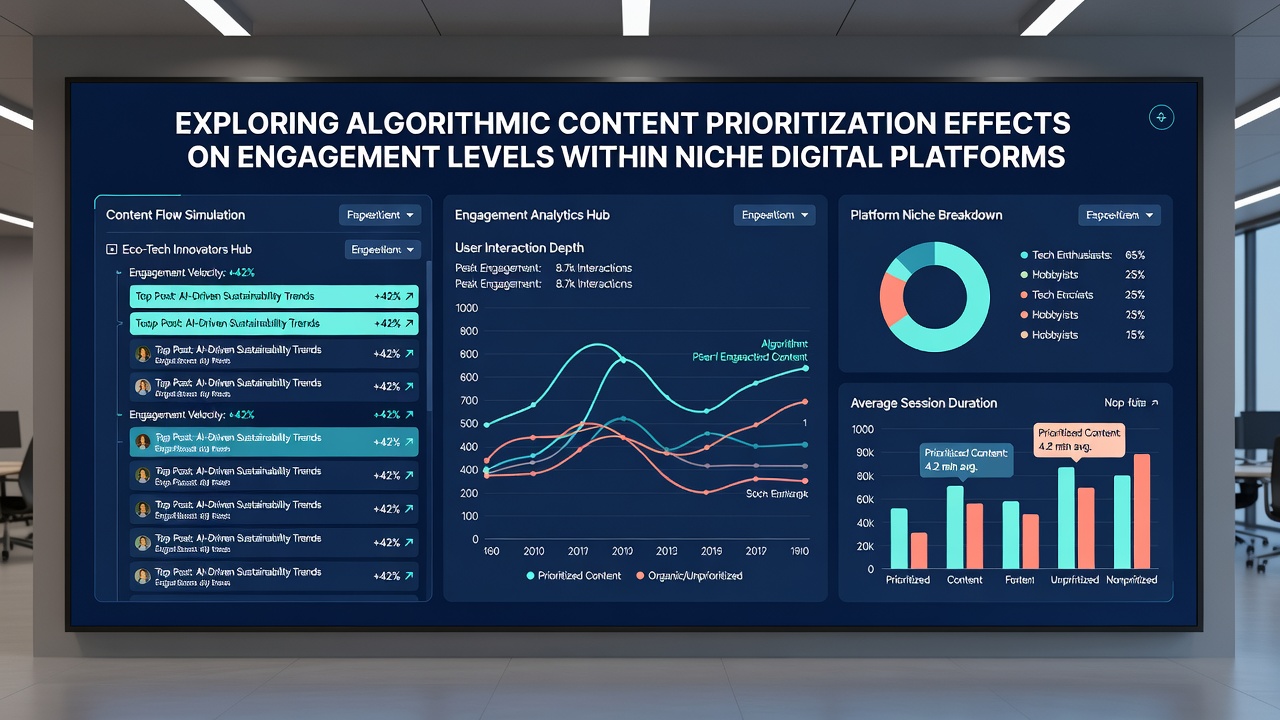
Studies tracking user behavior across specialized forums and interest-based networks indicate that prioritized content receives measurable lifts in views and comments yet the effects vary by platform size and topic focus; for instance figures released in October 2026 from monitoring tools used by several hobbyist communities revealed that algorithmically boosted threads sustained 35 percent longer average session times compared to non-prioritized material when the content aligned closely with established user preferences. Observers note that engagement sometimes plateaus when users encounter repeated exposure to similar items which leads to decreased click-through rates over successive weeks.
Regional Regulatory Perspectives on Platform Algorithms
Authorities in different regions have examined these dynamics through separate lenses; the Australian Communications and Media Authority published findings on how content ranking influences participation in smaller digital groups while Canadian regulators at the CRTC released parallel reports highlighting similar patterns in regional language communities. These documents detail how transparency requirements around ranking criteria can alter how platforms adjust their models without changing overall engagement trajectories.
Case Examples from Distinct Platform Types
One researcher who tracked activity on a photography-focused network discovered that prioritization of tutorial-style posts increased repeat visits among members who joined within the prior three months because the algorithm surfaced step-by-step guides early in user sessions. Another analysis covering a language-learning community found that discussion threads on grammar nuances gained traction when the system weighted replies containing corrections higher than simple acknowledgments; engagement metrics rose steadily until the volume of corrections overwhelmed newer participants and prompted a recalibration of ranking weights. Data indicates that such adjustments often occur after quarterly reviews when platforms notice stagnation in daily active user counts.
Measurement Approaches Used by Analysts
Analysts apply a combination of A/B testing frameworks and longitudinal cohort studies to isolate prioritization effects from other variables such as seasonal topic interest or external events; tools that log impression-to-interaction ratios help quantify whether boosted content truly drives deeper involvement or merely inflates surface-level metrics. Research indicates that combining these quantitative measures with qualitative surveys of user satisfaction produces clearer pictures of retention trends across different niche categories. Platforms that publish updates about ranking changes in October 2026 allowed external observers to correlate those announcements with subsequent shifts in reported engagement numbers.
Factors That Moderate the Observed Outcomes
Platform architecture plays a central role because systems with strong community moderation layers tend to dampen extreme amplification effects while those relying solely on automated signals experience wider swings in engagement distribution. User demographics also influence results since older participant groups within specialized hobby sites show slower adaptation to new prioritization rules compared with younger cohorts who navigate algorithmic feeds more fluidly. Evidence suggests that content type matters equally because visual media receives different treatment than text-heavy posts in many ranking engines which alters how engagement accumulates over time.
Conclusion
Algorithmic content prioritization continues to shape engagement patterns on niche digital platforms through ongoing refinements to ranking models and external regulatory pressures. Data collected through 2026 demonstrates consistent but context-dependent impacts on user interaction levels while measurement techniques evolve to capture both short-term spikes and longer-term retention shifts. Observers tracking these developments note that transparency measures and regional oversight contribute to incremental adjustments rather than wholesale reversals in how content surfaces within specialized online environments.